
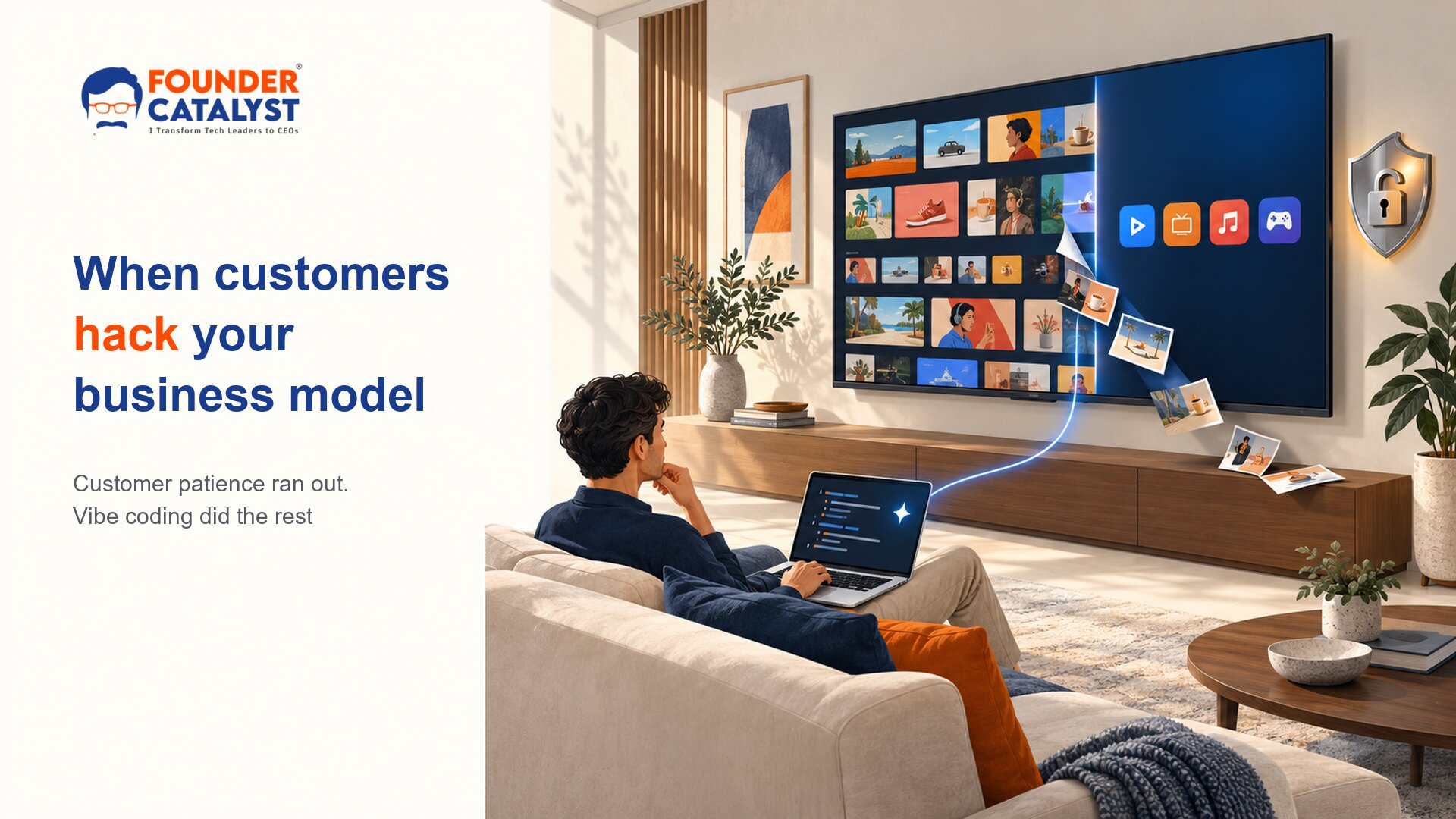
Smart TV owners are using AI coding agents to strip ads and bloatware from their sets. TV makers depend on that ad income, and they will be tempted to lock things down. I think the better path is to own the problem. The lesson reaches well beyond televisions.
On 17 October, a developer posting as Gathin shared how he fixed a family TV that showed an ad before Netflix would open. He pointed Claude Code at the Xiaomi set over home Wi-Fi. In one afternoon, it disabled 25 packages and wrote a clean new launcher. The project, now called CleanYourTV, passed 30,000 stars on GitHub within a week and lists over 240 models from 72 brands. Similar tools for Fire TV and LG appeared within days.
It is easy to file this under hobbyists having fun. I would look closer. This is what happens when customers have a grievance and, for the first time, a way to act on it beyond just complaining.
It is tempting to cast the manufacturers as villains driven by corporate greed. They deserve a fair hearing first. TV hardware has been a punishing business for years. A brand recovers its development cost in the few months after launch when it can charge a premium. After that, it is a price war, increasingly against well-made sets from Chinese brands. Ads, viewing data and home screen placements have become the recurring income that holds the model together. When Walmart agreed to buy Vizio for USD 2.3 billion in 2024, the announcement noted that Vizio’s advertising-led platform business already made up most of its gross profit. For many brands, the ads are the margin.

Owners see it differently. They paid full price for a TV that often feels slower after two years than on the day it arrived, with sponsored rows they never asked for. That is partly why people happily pay extra for an Apple TV box. They are paying to escape a home screen they already own. After a hard day’s work, all a viewer wants is to reach their show with as few hurdles as possible. A few years ago, an extra ad row might have been shrugged off. With rising household costs and streaming bills already piling up, even a small irritation can become the last straw.
I expect most makers to reach for the familiar tools that big tech firms go for. Firmware updates that quietly reinstall whatever users removed, something CleanYourTV’s own documentation already warns about. Locking the Home button to the stock launcher, as Fire OS and LG webOS already do. Closing developer mode, a hidden settings menu meant for app developers, and with it ADB (Android Debug Bridge), the channel that lets a computer on the same network send commands to the TV. That is exactly how these AI tools get in. They’re rewording warranty terms so any modification ends support.
Further out, I would not be surprised to see them lobby for the kind of legal protection Hollywood secured. In 1998, the studios helped push through a US law that made it illegal to get around copy protection, even on discs people had legally bought. They also made HDCP encryption on HDMI a condition for sending HD content to a screen. India added a similar anti-circumvention rule to its Copyright Act in 2012. After that could come startup software that only runs with a manufacturer key, sets that refuse to work after tampering, and streaming apps withdrawn from older sets sooner.
Each of these makes sense in a quarterly review. Together they tell customers the TV was never really theirs. The likely result is more buyers choosing a plain display, which Chinese makers will gladly sell for even less, and plugging in a box from a brand they trust, like Apple TV. Newer entrants will follow, because the same AI that set off this commotion has also made it far cheaper to build such a product. The ad revenue goes anyway, and the goodwill goes with it.
Another route exists, and it’s why I wrote this piece. Admit the experience has gone wrong. Offer existing owners an official update that removes ads and bloatware for a one-time fee, with a clear promise to replace any set it damages. Sell ad-free models with generous trade-in value on older ones, or a plan that lets customers upgrade every five years at a real discount. For enthusiasts, offer a paid tier with official AI access, an MCP server in today’s terms, or your own app that lets them customise the TV to their heart’s content without breaking it. Some of this costs money in the short run. It also turns the customers who have paid your bills all along, the very people now working around you, into your most loyal ones.
Large companies have taken this route before. In late 2009, Domino’s ran ads in which its own customers called the crust cardboard, then showed the company rebuilding its recipe from scratch. In 2010, Apple answered the iPhone 4 antenna complaints by offering every owner a free case or a refund. In 2013, Microsoft dropped the Xbox One’s mandatory online check-in and usage restrictions within weeks of announcing them, before the console shipped. None of these was comfortable. Each one admitted a mistake customers already knew about.
I learnt a smaller version of this at my own company. About two decades ago we built VPF, a content management system for large news and media groups, robust enough to serve millions of page views a day. We charged a licence fee on top of our development services, and clients resisted it. We stopped defending the fee and bundled the product free into our service engagements. It was the right call. In my book, The Founder Catalyst, I go a step further and admit that open sourcing it from the start might have served us even better.
AI agents have given ordinary customers the power to rewrite products they already own. Televisions are simply the first place it became visible. Any business whose margin depends on customers putting up with something they dislike is now on borrowed time. It is wiser to stop relying on that patience before customers decide for you.
Leave a Reply