Category: Advice & how-to

  • When AI prototypes get mistaken for finished software

    When AI prototypes get mistaken for finished software

    Over the last few months, I have been noticing a pattern in many organisations experimenting with AI. A recent experience brought this out clearly and reminded me why we still need basic engineering discipline even in this new world.

    A client reached out to the team I was consulting for a proposal to redevelop a Python application and deploy it on Microsoft Azure. One of their business leaders had created the first version using an AI tool. Since it ran in the browser, the team assumed it was ready for production. When we looked at the files, all we received was a saved webpage (HTML) and part of a Python script. The backend logic, code, DB schema, JavaScript and other supporting pieces were missing, so we had no clue what the prototype was meant to do.

    There is nothing wrong in using AI tools like Gemini, Claude or ChatGPT to sketch ideas or validate a workflow. They are wonderful for quick iteration and early exploration. The problem starts when something generated in an AI chat window gets treated as a complete software product.

    To build anything that will run securely and reliably inside an enterprise, we still need clarity on the basics. The objective and the business case. The inputs and outputs. The user roles and the workflow. A simple specification. Some understanding of data flow, security and integration needs. Access to the original AI chat sessions also helps. These are not paperwork. They form the bridge between what was intended and what needs to be built.

    AI can speed up development, but it does not remove the need for engineering rigour. Systems still need to be stable, scalable and secure.

    As more leaders experiment with AI, keeping this distinction in mind will save time and frustration for everyone. Prototypes are a good beginning, not the final product.
  • The Future of Work: AI Skills vs Degrees – Let’s Stay Grounded

    The Future of Work: AI Skills vs Degrees – Let’s Stay Grounded

    Recently, Ryan Roslansky, CEO of LinkedIn, said that “the future of work no longer belongs to those with the fanciest degrees or who studied at the best colleges, but to those who are adaptable, forward-thinking, and ready to embrace AI tools.” It’s an important reminder of how fast the world of work is changing. But I’d like to add a word of balance for students — especially in a country like India. Please don’t take such statements literally as a reason to stop pursuing education. In a growing economy like ours, formal learning remains a lifelong asset. Even in an AI-driven world, education is still the most reliable path to improving one’s quality of life — ethically and sustainably. Many such statements, though well-intentioned, tend to amplify the aura around AI — sometimes to promote platforms, products, or investments. Even the most sincere innovators can fall in love with their own creations and overestimate their reach. I use AI every day. I read, write, and advise on it constantly. Yet I can say this with conviction — no matter how advanced AI becomes, a strong academic foundation and disciplined learning will always matter. Anyone who tells you otherwise is not being fully honest. Let’s embrace AI with curiosity, but hold on to education with conviction. The future belongs to those who can balance both — grounded in knowledge, guided by values, and open to change.
  • ChatGPT messed up the script of my AI talk!

    ChatGPT messed up the script of my AI talk!

    Generative AI tools like ChatGPT are a huge productivity booster. I use them daily as a writer and speaker. But here’s what I’ve learnt the hard way: they are not magic lamps, and when not handled correctly, they can take you further away from your own voice. When I was preparing for my talk on “How AI can coach Gen Z and Gen A to lead”, I started with my outline and gave it to ChatGPT for expansion. Instead of polishing my ideas, it kept rearranging the flow and adding new ones. After a few iterations, the draft looked polished, but it no longer sounded like me. It was generic and stripped of the personal experiences I wanted to share with founders and CEOs. So, I went back to basics. Whiteboard, pen and paper, rehearsal recording. Then I brought AI back into the process differently: I used it to transcribe my rehearsal, give me feedback, identify the low points, validate the ideas, and suggest improvements. This time, AI became a coach rather than a ghostwriter—and the final talk landed well with the audience. That’s the point I want to leave with founders: AI is excellent for ideation, for breaking a blank page, or for polishing drafts into the right tone. But it can’t replace your lived experience. If you let AI own the core of your message, you risk becoming a parrot of machine text. Your value as a founder is in bringing your own stories, scars, and convictions to the table. In my book The Founder Catalyst, I argue that the future of leadership is about combining technology with what humans do best—strategy, empathy, and authenticity. The same principle applies here: let AI make you sharper, not faceless.
  • AI is eating your profits

    AI is eating your profits

    Notion’s CEO recently revealed that 10% of their profits now go towards AI bills. That’s a significant shift for a SaaS company—and a warning sign for founders.

    AI was supposed to get cheaper. Instead, it’s becoming a major expense. The latest models are smarter, yes, but they also consume far more tokens. Especially when used for agent workflows, deep research, or coding tasks, the costs can spiral quickly.

    As a founder, you don’t always need the most advanced model. With clever prompts and a bit of experimentation, your team can often achieve great results using smaller or open models. This isn’t just about saving money—it’s about designing solutions that fit your business needs.

    From my book Founder Catalyst, I’ve written about the hidden costs of adopting new technologies. With AI, these include:

    1. Time spent learning new tools and interfaces
    2. Integration challenges across teams
    3. Legal risks from unlicensed datasets
    4. Vendor lock-in and platform dependency

    AI can bring productivity and a competitive advantage. But it must be implemented with clarity and expertise.

    Design before deploy. Profits still matter.

    If you’re a founder or CXO thinking of scaling AI across your organisation, don’t do it blindly. AI is not just another tool—it’s a shift in how your teams think, build, and deliver. But without the right guidance, it can also become a costly distraction.

    As a founder and CEO, with over 30 years in tech and a front-row seat to every major platform shift—from desktop to mobile to cloud—I help leaders cut through the noise. My keynotes and masterclasses are not about hype. They’re about clarity, context, and practical frameworks your team can act on.

    Let’s talk if your team needs:

    • A clear-eyed view of what AI can (and can’t) do
    • Real-world examples of how startups and enterprises are using AI
    • A roadmap to adopt AI responsibly, without burning budgets

    You don’t need more AI tools. You need better AI thinking.

    For keynote inquiries, call Kural through WhatsApp or write to v@thefoundercatalyst.com.

  • AI for Founders: Simple, Strategic, and Safe Adoption

    AI for Founders: Simple, Strategic, and Safe Adoption

    Last week, I had the opportunity to interact with a vibrant group of young founders and CEOs at Corporate Connections Chennai. My talk, “AI for Founders,” was designed to give them not just an overview, but a practical way forward in this fast-moving space.

    We often hear about AI as the next big thing, but for many business leaders, the challenge is knowing where to begin. I shared a simple four-step approach to help organisations adopt AI in a way that’s both realistic and effective. The starting point is understanding what problems you’re trying to solve. Jumping on the AI bandwagon without clarity only leads to confusion. Once the goal is set, the focus shifts to building a core team, choosing the right tools, and keeping the process iterative—learn, adjust, and improve.

    Of course, adopting AI comes with its share of responsibilities. In the second part of my session, we discussed the four key things every founder should keep in mind to use AI safely and responsibly. This means paying attention to data privacy, watching out for built-in biases, not taking AI output at face value, and remembering that the objective is not to build flashy prototypes, but to deliver real, meaningful improvements for users.

    It was a lively session, with plenty of questions and practical discussions. My aim was not to make AI sound mystical or intimidating, but to bring it down to earth and make it something founders can actually use—without losing sleep over the headlines.

    The best part of these sessions is always the back-and-forth—hearing what’s on the minds of founders and what keeps them up at night. As AI continues to change the way we build and run businesses, I hope these simple frameworks help more leaders navigate the path with a bit more confidence—and a little less jargon.

    Venkatarangan presenting his "Unlock AI: Four Steps" framework on screen to a group of founders and CEOs seated at a boardroom table, with an inset photo of the group and the Corporate Connections Chennai meeting signage.
    AI for Founders – Four Steps to unlock AI for your business.
  • Founders, stop waiting for the perfect talent

    Founders, stop waiting for the perfect talent

    A year ago, when Chris Miller, the author of the acclaimed book “Chip War,” visited India and shared an important observation. He emphasized the urgent necessity for India to build a robust talent pool specifically focused on chip design and manufacturing. Critically, Miller pointed out that India shouldn’t delay or wait for the ideal talent ecosystem to naturally evolve. Instead, it should start making strategic investments and building capabilities immediately.

    There’s a valuable lesson here for startup founders and leaders in any industry. Often, founders get stuck searching for the elusive “perfect” candidate who already possesses all the desired skills. The reality, however, is quite different—such ideal candidates rarely exist.

    The smarter, more practical approach for founders is to hire the best available talent today, even if they’re not perfectly skilled or experienced yet. Once onboard, founders should actively invest in their growth, giving them the freedom and flexibility to learn, experiment, and grow on the job. This strategy ensures continuous momentum, keeping your organisation agile and adaptable.

    Simultaneously, it’s wise to continuously scout for increasingly skilled talent to progressively enhance your team’s capabilities. Particularly in emerging fields like AI and large language models (LLMs), talent with complete skillsets is hard to come by. Hence, developing these skills internally through strategic training and on-the-job experience becomes critical.

    The core message to founders is straightforward: don’t wait for perfection. Hire talent that’s capable, motivated, and eager to learn, and then empower them to grow into the roles you envision. By doing this, you will build a resilient, skilled, and adaptable team poised to tackle future challenges.

    Watch my reel below, where I elaborate further on these essential insights:

  • Why CEOs hear bad news too late?

    Why CEOs hear bad news too late?

    On January 5, 2024, an alarming incident occurred when an Alaska Airlines Boeing 737 MAX 9 experienced a door blowout mid-flight. Investigations highlighted significant communication lapses between the production floor and senior management (source: New York Times, Jan 6, 2024). This incident underscores a universal risk that startup founders also face: blocked flow of critical information.

    Founders, are you often among the last to hear when problems arise? Here are practical steps to help you detect issues early and prevent escalation:

    Firstly, as Bill Gates pointed out in “Business @ the Speed of Thought,” leaders should proactively look for bad news instead of waiting for it to surface naturally. A mindset of vigilance keeps leaders connected to ground realities.

    Secondly, equip your teams to deliver constructive criticism effectively. It’s essential to teach your staff not just to identify issues, but also to communicate them positively. Equally vital is training your management team to accept this feedback openly, without defensiveness.

    Thirdly, lead by example by openly sharing your own challenges during regular team meetings. Demonstrating transparency yourself encourages your team to follow suit, creating a culture of openness.

    Finally, reward transparency explicitly. Recognising and appreciating those who bring issues to your attention strengthens trust and reinforces the behaviour you wish to see consistently within your organisation.

    By adopting these strategies—aligned closely with principles discussed in “Radical Candor” by Kim Scott—you can avoid critical oversights like those experienced in the Boeing incident, ensuring you’re well-informed and responsive at all times.

    Watch my short reel below, where I discuss these insights further:

  • Why Founders Must Balance Local and Global?

    Why Founders Must Balance Local and Global?

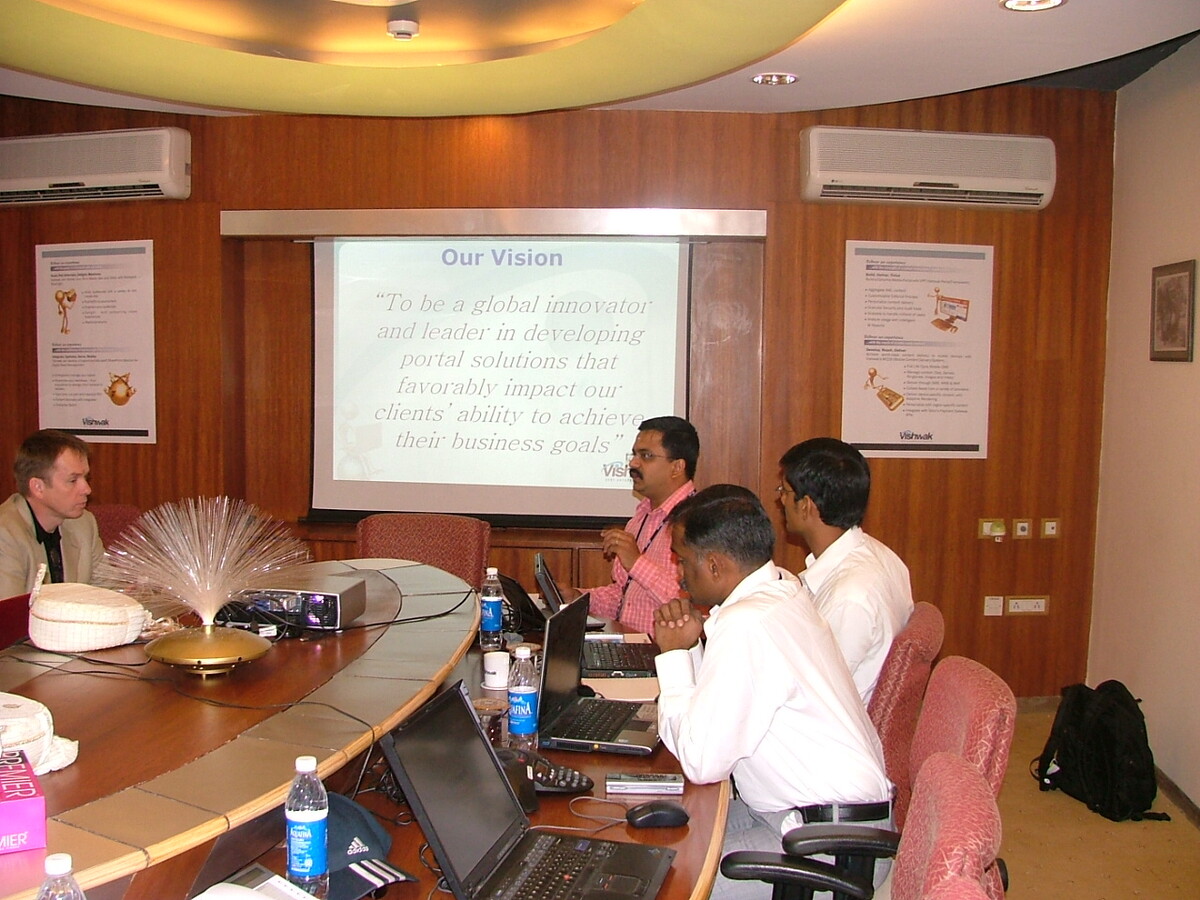
    There’s been renewed debate around the direction of startup ecosystems, especially in India. A recent remark by a senior Indian minister reignited the conversation. The Industry Minister of India, suggested that too many Indian startups rely heavily on consumer sales and e-commerce, without enough focus on deep tech or core innovation—unlike China, he pointed out. That comparison triggered a strong backlash. Founders and veterans from the Indian ecosystem were quick to respond. Many highlighted the real challenges: low ease of doing business, the return of aggressive tax scrutiny, regulatory complexity, and the limited scale of government capital support—especially when compared to what Chinese startups enjoy. As someone who’s been in the trenches for nearly three decades, I can say this: Both sides are right. Yes, patient capital is hard to come by in many regions, especially in emerging markets like India. Long-term bets are rare, and policy shifts can be unpredictable. But we also need to hold the mirror up to ourselves. Many of us founders—whether in India, Southeast Asia, or even parts of Europe—tend to be risk-averse. We chase faster returns. We look for proven templates. And moonshots? We wait for someone else to try first. And yes, navigating the regulatory maze in India often feels like running a marathon in quicksand. Team meeting in a wood-panelled conference room, colleagues seated around a table with laptops reviewing a projector slide titled 'Our Vision' Let me share a story from my own journey. I started my software products and services company back in 1997, largely serving clients in the West. It was a favourable time for Indian tech—liberalisation had opened new doors, and the 1997 “dream budget” by India’s then Finance Minister P. Chidambaram boosted optimism. By 2004, buoyed by the “India Shining” sentiment, I made a pivot. I took profits from my export business and reinvested into the domestic Indian market, convinced that the local economy was on the brink of a tech boom. But reality was more complex. Yes, India grew. But the domestic market didn’t scale as fast as I had bet. Meanwhile, Indian IT services for global clients entered a golden decade. From 2005 to 2015, that wave lifted many ships—but I missed the early part of it, having focused inward. The 2008 global financial crisis made things worse. Ironically, it was by returning to international clients—particularly in the U.S.—that I managed to grow the business faster. So, what’s the takeaway? The India of 2025 is not the India of 2005. And globally, emerging startup markets have matured. The domestic tech scene in countries like India, Indonesia, Brazil, and Nigeria is buzzing—with SaaS, vernacular platforms, and AI-led transformation across sectors. But export markets still matter. Global revenue builds resilience. Founders today—regardless of where you’re building—should balance their bets. Keep one foot rooted in local innovation: climate tech, regional AI, agriculture, logistics, whatever speaks to your context. But plant the other foot in the global economy—where scale, discipline, and dollar revenue still count. Stay alert to policy shifts. Build with compliance in mind. Don’t swing with hype. And don’t panic at the first stumble. Rebalance. Realign. Rebuild. Build patiently. Iterate frugally. Compound not just revenue, but your reputation. The best founders think in decades, not quarters.
  • How to digitally sign invoices and get paid faster?

    How to digitally sign invoices and get paid faster?

    I recently had to digitally sign an invoice for a client, and it got me thinking about how freelancers and small businesses handle this. Paper invoices are nearly extinct, and most transactions now happen through PDFs. Some enterprise clients require a digitally signed invoice for compliance, and if you don’t have the right tools, this can slow down your payment. Over the years, I’ve signed plenty of contracts and agreements digitally—big enterprises typically send a link from their signing tools, and I just sign using it. But this was the first time a client specifically asked me to digitally sign an invoice. Large companies typically use DocuSign, Adobe Sign, or Zoho Sign—all excellent services that comply with global digital signature standards, including eIDAS (EU), US Digital Signature Standards, and India’s IT Act. However, these are paid services, and if your signing needs are occasional, committing to a monthly subscription may not be necessary. I use Zoho Invoice for my consulting and speaking engagements, and when a client asked for a digitally signed invoice, I remembered that Dropbox Sign (aka HelloSign) is included in my Dropbox subscription. I uploaded the invoice, signed it, and shared it in just a few minutes—quick, seamless, and at no extra cost.
    Dropbox Sign (Hellosign)
    Dropbox Sign (Hellosign)
    For those in India, Zoho Sign is a great option since it explicitly supports Digital Signature Certificates (DSCs) from Indian Certifying Authorities (CAs) and Aadhaar eSign, making it fully compliant with the Indian IT Act. If you need something widely accepted across geographies, Zoho Sign, Adobe Sign, and DocuSign all comply with US, EU, and other digital signature regulations. Dropbox Sign, while convenient, does not explicitly mention compliance with the Indian IT Act, so it’s worth verifying before using it for official documents.

    Comparison of Digital Signature Services

    Feature Zoho Sign DocuSign Adobe Sign Dropbox Sign (HelloSign) Microsoft 365 Sign
    Legally Binding in India (IT Act, 2000) ✅ Yes ✅ Yes ✅ Yes ⚠️ Limited (Not compliant with DSC) ❌ No (Basic electronic signatures)
    Legally Binding in US (ESIGN Act, UETA) ✅ Yes ✅ Yes ✅ Yes ✅ Yes ❌ No (Internal approvals only)
    Legally Binding in EU (eIDAS Regulation) ✅ Yes ✅ Yes ✅ Yes ✅ Yes ❌ No
    Supports Indian Class 3 DSC (Digital Signature Certificate) ✅ Yes (USB Token, PFX) ✅ Yes (Manual Upload) ✅ Yes (Adobe Acrobat) ❌ No ❌ No
    Supports Aadhaar eSign (India) ✅ Yes ❌ No ❌ No ❌ No ❌ No
    Tamper-Proof & Audit Trail ✅ Yes (Full logs, IP tracking) ✅ Yes (Detailed logs, IP tracking) ✅ Yes (Full audit trail) ✅ Yes (Basic logs) ⚠️ Limited
    Certificate Authority (CA) Trust ✅ Indian & Global CAs ✅ Global CAs ✅ Global CAs ✅ Global CAs ❌ No
    USB Token / Smartcard Signing ✅ Yes ✅ Yes ✅ Yes ❌ No ❌ No
    Integration with Government Services ✅ MCA, GST, IT Returns (India) ❌ No ❌ No ❌ No ❌ No
    Cloud-Based Signing ✅ Yes ✅ Yes ✅ Yes ✅ Yes ✅ Yes
    Integration with Microsoft 365 ✅ Yes ✅ Yes ✅ Yes ❌ No ✅ Yes (Internal signing only)
    Integration with Google Workspace & Dropbox ✅ Yes ✅ Yes ✅ Yes ✅ Yes ❌ No
    Best For ✅ Indian Businesses, Aadhaar eSign, MCA Filings ✅ Global Enterprises, Contracts, Legal Docs ✅ PDF-Based Signing, Global Compliance ✅ Dropbox & Google Users, Basic Signing ❌ Internal Approvals Only
      Disclosure: The insights in this post are based on my personal experience and research. The comparison table below was generated using ChatGPT-4o and should be independently verified before making any purchasing decisions. Bottom Line: – Need a free and India-compliant option? Start with Zoho Sign. – Enterprise-level security? Use Adobe Sign or DocuSign. – Already paying for Dropbox? Try Dropbox Sign first. Have you had to sign invoices digitally? What’s been your experience? Let’s discuss! Footnotes:
    1. How Digital Signature Services Work: These platforms verify your identity via email or SMS, then embed a digital key into your document to ensure it remains unaltered. For higher security, you can use a Digital Signature Certificate (DSC)—the same one used for Income Tax filings and corporate regulatory submissions in India. For high-value contracts, a Class 3 DSC is mandatory. For quick, everyday signing, Aadhaar eSign is a convenient option for Indian users.
    2. A Quick Note on Microsoft 365: If you’re using Microsoft 365 on iOS or Android, there’s a basic signature tool under PDF Tools > Sign a PDF. However, this is just an image-based attestation, not a legally recognized digital signature.
    3. Microsoft Word’s Digital Signing Feature: Microsoft Word does offer a digital signing integration, but since it’s not commonly used outside internal enterprise setups, I’m leaving it out here.
  • The Venus Flytrap Strategy: Lessons for Business Leaders

    The Venus Flytrap Strategy: Lessons for Business Leaders

    In the realm of nature, the Venus flytrap is an extraordinary example of precision and discernment. Sir David Attenborough, in a BBC episode, revealed the fascinating behavior of this carnivorous plant. Its unique feeding mechanism offers profound insights for business leaders and founders striving to master the art of strategic decision-making. Nature’s Remarkable Teacher: The Venus Flytrap The Venus flytrap has a mouth-like structure that closes when an insect lands inside. However, it doesn’t snap shut impulsively at the first touch. The plant waits for a second touch within 20 seconds to confirm the presence of prey. Even then, it doesn’t immediately digest; it requires five more touches before releasing digestive enzymes to break down the meal. Why such a cautious approach? The Venus flytrap cannot afford to expend its limited energy on false alarms like twigs or dust. Its survival depends on acting only when the timing and signals are right. A Powerful Lesson for Business Leaders The behavior of the Venus flytrap provides a powerful metaphor for decision-making in business. Leaders often face countless opportunities and challenges, each demanding attention. However, not every opportunity is worth pursuing, and not every challenge requires immediate action.
    1. Discernment Over Impulse: Like the Venus flytrap, businesses must evaluate signals carefully. Jumping at the first sign of an opportunity may lead to wasted resources.
    2. Wait for Confirmation: A single signal often isn’t enough to determine the viability of a move. Look for patterns, validate the opportunity, and ensure it aligns with your strategic goals.
    3. Act with Precision: Once the signals align, act decisively. This minimizes risk and maximizes impact.
    The Essence of Strategy As Michael Porter, the father of modern business strategy, wisely said, “The essence of strategy is choosing what not to do.” This quote encapsulates the Venus flytrap’s approach. Just as the plant refrains from reacting to every stimulus, businesses must avoid scattering efforts across too many initiatives. Practical Application for Leaders
    • Set Priorities: Identify key areas where your organization can excel.
    • Gather Data: Use analytics to validate opportunities.
    • Adopt a Long-Term View: Resist the urge to chase short-term gains at the expense of sustainable growth.
    The Venus flytrap teaches us that success lies in patience, precision, and the ability to act only when the moment is right. For business leaders, these principles can make the difference between thriving and merely surviving in today’s competitive landscape. As you navigate your entrepreneurial journey, remember: not every door needs to be opened, not every opportunity needs to be seized, and not every challenge needs an immediate response. Strategic discernment is the key to long-term success.
  • How Toshiba Revolutionized Kitchens: A Lesson in User-Centric Innovation

    How Toshiba Revolutionized Kitchens: A Lesson in User-Centric Innovation

    In the 1950s, Japan witnessed a quiet revolution that transformed kitchens and inspired product innovation for generations to come. The story of Toshiba’s automatic rice cooker is not just about a product—it’s about collaboration, persistence, and listening to the voice of the user. As a Founder Catalyst, I’ve always sought to understand what it takes to create exceptional products and services. One of the most profound lessons I’ve learned comes from this tale of ingenuity and determination. The Challenge: Making Perfect Rice, Every Time Rice is a staple in Japan, served three times a day in most households. In 1950, Toshiba, then an electric giant, sought to create an automatic rice cooker. Cooking rice perfectly wasn’t just about convenience; it was a cultural and culinary necessity. The challenge was daunting: how could they replicate the skill of human judgment in an appliance? Toshiba turned to Yoshitada Minami, their manager in their electric water heater manufacturing factory, to lead the project. But there was a problem—like most men of that era, Mr. Minami had little experience cooking rice. He needed an expert who understood the nuances of preparing this essential dish. The Unsung Hero: Mrs. Fumiko Enter Mrs. Fumiko, Minami’s wife and a mother of six. Over five meticulous years, Mrs. Fumiko became the key tester for every prototype Toshiba developed. She recorded water-to-rice ratios, monitored temperatures, and analyzed textures, flavors, and feelings of satisfaction. Her dedication ensured the product captured the essence of traditional rice cooking while embracing modern technology. Her insights weren’t just technical—they were deeply human. She knew what a perfect bowl of rice felt like and what families would expect. This collaboration between engineer and user created a device that would go on to redefine domestic cooking. The Outcome: A Revolutionary Product By 1956, Toshiba launched their automatic rice cooker, and it was an instant sensation. Selling over 200,000 units annually, it became a household essential. More importantly, it set a benchmark for how companies could design products that genuinely serve their users. The Lesson: Build With the User in Mind This story underscores a timeless truth in product development: the best solutions emerge when creators deeply engage with users who live the problem every day. Observing and understanding user behavior isn’t just a step—it’s the foundation for innovation. In today’s world, the principles from this story remain relevant. Whether you’re designing software, crafting a service, or building hardware, the path to excellence starts by listening to and collaborating with your users. Let the story of Toshiba and Mrs. Fumiko inspire us to approach innovation with empathy, curiosity, and persistence. Because at the heart of every great product is the voice of the people it serves. What’s your favorite example of user-centric design? Share your thoughts in the comments below!
  • Two Key Lessons for Founders After Hiring Top Talent: A Look at Ron Johnson’s Journey from Apple to JCPenney

    Two Key Lessons for Founders After Hiring Top Talent: A Look at Ron Johnson’s Journey from Apple to JCPenney

    When you bring top talent on board, it’s natural to expect exceptional results. But even the best talent may face challenges if foundational elements are overlooked. Let’s explore two critical lessons for founders, inspired by the experience of Ron Johnson, who transformed Apple retail with groundbreaking innovations like the Apple Genius Bar, but faced setbacks in a new environment at JCPenney. Lesson 1: What Works in One Place May Not Work in Another At Apple, Johnson had a deep understanding of both the brand and the unique needs of its customer base. This insight allowed him to craft an experience that was seamless, innovative, and perfectly aligned with Apple’s image. However, when he joined JCPenney, he applied the same strategies without fully understanding the different demographics, values, and shopping behaviors of JCPenney’s customers. Takeaway for Founders: When hiring top talent, ensure they are fully briefed on the brand’s identity, objectives, and customer profile. A clear understanding of these elements is crucial for success and can significantly impact how effectively they adapt their skills and insights to meet your company’s unique needs. Lesson 2: Test Large Strategies Before Full Implementation Johnson made sweeping changes at JCPenney, quickly implementing major shifts without gradual testing or feedback. The result was a disconnect between the company’s established customer base and its new direction. Testing major strategies before full rollout would have allowed Johnson to identify potential issues early on and adjust accordingly. Takeaway for Founders: Encourage your team to pilot large strategies on a small scale before a full launch. This approach not only helps identify potential challenges but also allows for incremental adjustments, creating a smoother path to success. Hiring top talent is a powerful asset, but as a founder, your responsibility doesn’t end there. Guide your hires with a clear understanding of your brand and customer base and create a culture that values testing and feedback before implementing major changes. Following these principles can help your team succeed, no matter how impressive their credentials are.