
The internet has a long memory, but a very selective one.
Old news resurfaces without warning. Context quietly drops off. A half-forgotten announcement suddenly becomes today’s debate. That is exactly what has happened over the last few days with a decision taken in China in 2024.
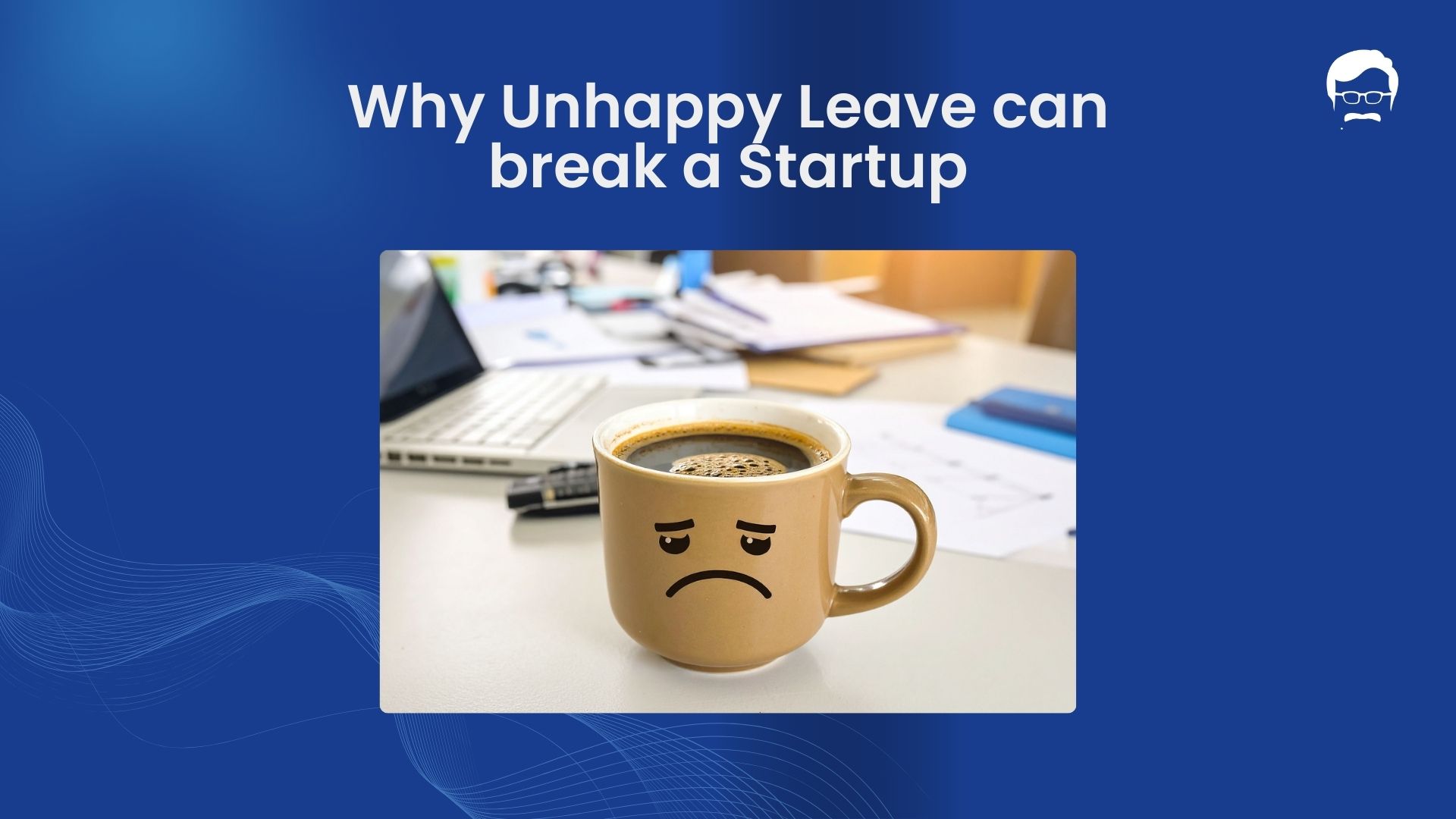
Many are now discussing something being called Unhappy Leave.
On the surface, the idea is simple.
Employees are given ten additional days of leave every year. These days can be taken purely at their own discretion. No medical certificate. No justification. Just the employee deciding they are unhappy, stressed, or mentally exhausted. The important detail is this. If a manager denies this leave, it is treated as a policy violation.
In a country known for long working hours and intense workplace pressure, this sounded radical. Predictably, the internet amplified it. It praised it. Compared it. And in some cases, reduced it to a slogan.
The policy was announced by Yu Donglai, the founder of Pang Dong Lai, a Chinese retail chain admired for its employee-first culture. The announcement was made in 2024 and quietly implemented. It went viral much later. That delay itself is telling. Good ideas do not always travel fast. Sometimes they wait for the right moment, or the right outrage cycle.
At first glance, this feels like a bold and humane move. And it is. There is no denying that.
It also reminds many people of earlier experiments in employee well-being, especially in the West.
One obvious comparison I will make is with Tony Hsieh of Zappos. Long before workplace culture became fashionable, he spoke about trust, happiness, and unconventional benefits. At the time, many dismissed it as idealistic. History was kinder. Zappos built loyalty, reduced attrition, and created a culture that people still reference years later.
So yes, Unhappy Leave is innovative. It is empathetic. It signals trust.
But this is where founders and business leaders need to pause.
Large organisations have buffers. They have HR teams, policy frameworks, and workforce planning models. They can simulate impact before announcing a benefit. They can course-correct if something breaks.
Founder-led companies and startups do not have that luxury.
This is where good intent can quietly turn into long-term damage.
When a policy like this is announced without thorough internal thought, a few things happen quickly. Project timelines slip because key people are unavailable at critical moments. Managers hesitate to question leave decisions even when delivery risk is high. Teams compensate informally for absent colleagues. Resentment builds.
The irony is this. A benefit meant to improve morale can end up eroding it.
Missed delivery commitments create pressure elsewhere. Customers feel the impact first. Revenue follows. Leadership starts firefighting. Slowly, the same policy that was announced with warmth becomes a source of quiet frustration.
And when leaders later attempt to dilute or roll back the policy, trust takes a direct hit.
This is especially risky with Gen Z employees.
Gen Z values authenticity more than perks. They sense inconsistency very quickly. If a benefit is announced and then poorly executed, the damage is not temporary. It creates a belief that leadership announcements cannot be taken at face value. That kind of trust loss is extremely hard to repair.
In my experience, and this is my opinion, most employee benefit schemes fail not because of bad intent, but because of shallow implementation.
Every founder who grows into a CEO learns this lesson sooner or later.
Policies are promises. The moment you announce them, they become part of your culture. Culture cannot be paused, renegotiated, or quietly edited without consequences.
Founder-led organisations should address key issues before announcing new ideas. Start with open conversations about challenges like fairness and peak periods, run small pilots to learn, and only expand once ready. Consistency, more than generosity, builds trust.
This is also where founders benefit from an external sounding board. Someone who has seen these cycles play out across companies and stages, and can help leaders think through second-order effects before ideas turn into irreversible promises. That role, walking alongside founders as they translate intent into execution, is exactly why I do what I do as a Founder Catalyst.
Unhappy Leave works at Pang Dong Lai because it sits inside a much larger system of values, planning, and discipline. It is not a standalone perk. It is a visible expression of an already mature culture.
Stripped of that context, it becomes a slogan.
The internet loves slogans. Organisations live with consequences.
Reflection: Every policy announcement feels reversible in the moment. Very few actually are. Founders do not just introduce benefits. They set expectations that quietly shape culture long after the applause fades.
If you prefer to receive more of these insights directly, subscribe to my Founder Catalyst Digest, where I share practical lessons on leadership, AI, and building companies that last.
Read my book “The Founder Catalyst” for more lived lessons: The Founder Catalyst on Amazon

Leave a Reply