In a recent discussion on the benefits of open-sourcing software, we explored why companies should consider open-source strategies to drive innovation and community support. However, diving into open source without careful planning and awareness can lead to costly mistakes. Let’s discuss two common pitfalls using the example of Llama, the company that owns Winamp Music Player, which recently open-sourced their software – but made some significant missteps along the way.
The Benefits of Open-Sourcing Software
Open-sourcing a software project can create immense value for both companies and the wider community:
Community Contributions: By open-sourcing, companies invite developers worldwide to contribute, often leading to faster improvements and bug fixes.
Transparency: Open-source projects foster trust and transparency, often enhancing a company’s reputation in the industry.
Innovation: Opening code for collaboration can generate new ideas and use cases, as developers adapt and extend the software for unique needs.
While these benefits are compelling, open-sourcing also requires companies to take careful steps to avoid legal and community-related challenges. Llama’s approach with Winamp Music Player offers valuable insights into the potential pitfalls.
Mistake #1: Publishing Code Without Proper IP Rights
When Llama decided to open-source Winamp Music Player, they inadvertently published code they didn’t have the legal right to release. This included:
Shoutcast DNAs Code
Microsoft and Intel Codecs
Open-sourcing code without ensuring Intellectual Property (IP) rights is a critical misstep. Many open-source licenses require that you only share code you own or have permission to distribute. Including third-party proprietary code, as Llama did, is not only legally risky but can damage a company’s reputation. It’s essential for companies to conduct a thorough IP review before releasing any code publicly.
How to Avoid This Mistake
Conduct IP Audits: Review all code components and libraries for third-party or proprietary code.
Use Open-Source-Only Code: Replace any third-party proprietary code with open-source alternatives before releasing.
Mistake #2: Using a Restrictive Open-Source License
Llama made a second mistake by choosing an overly restrictive license, the Winamp Collaborative License, which prohibited forking. Forking is central to open source; it allows developers to create independent versions of a project, thereby encouraging innovation. Restricting this contradicts open-source principles and may discourage developers from engaging with the project.
By using a restrictive license, Llama essentially limited the potential for collaborative development, which is counterproductive to the open-source ethos. Open-source communities thrive on freedom, collaboration, and adaptation – principles that restrictive licenses contradict.
How to Avoid This Mistake
Choose a Recognized Open-Source License: Well-known licenses like MIT, Apache 2.0, and GPL are designed to align with open-source standards while protecting company interests.
Align License with Goals: Consider the project’s goals and community impact. Use a permissive license to encourage broad collaboration if the goal is community growth and innovation.
Key Takeaways for Companies Considering Open Source
Review IP and Licensing: Always confirm you own the rights to any code you plan to open-source. Avoid releasing proprietary or licensed third-party code, as it can lead to legal complications and reputational damage.
Choose an Appropriate License: Selecting a permissive and community-friendly license is essential for building trust and encouraging developer engagement.
Stay True to Open Source Principles: Open source is about collaboration, transparency, and community. Embracing these values will help companies build strong developer communities around their projects.
By learning from cases like Llama’s, companies can navigate open-sourcingmore strategically, unlocking the benefits of collaboration and innovation while avoiding common pitfalls. Open-source can be a powerful strategy, but it requires a responsible, well-thought-out approach.
On July 19, 2024, a significant software failure sent shockwaves through global enterprises: a massive crash of over 8.5 million enterprise Windows PCs worldwide, triggered by a defective update from Crowdstrike’s Falcon Sensor security software. Thankfully, this incident, though severe, did not involve any malicious activity or data compromise. The problem wasn’t an isolated one. A similar issue arose in April with Debian Linux servers following another Crowdstrike update, illustrating a troubling trend in software failures that are far from isolated incidents.
As an experienced technologist, I recognize these events not merely as failures of individual systems or companies but as urgent calls for systemic improvement. Our digital infrastructure, as critical as the physical ones, necessitates a robust resilience strategy—something I advocate through the IDEA framework.
Innovation in Technology Firms: While software bugs often trace back to a single erroneous line of code, assigning blame to a single engineer oversimplifies the complexities of software development. The recent Crowdstrike crashes highlight the critical need for systemic reforms in engineering practices across the technology sector. To tackle this, firms must broaden the availability of failover mechanisms—already prevalent in cloud infrastructure—to encompass every layer of technology, including business workstations and mobile applications. This expansion enhances the efficiency of monitoring and accelerates troubleshooting across a vast network of endpoints. In situations where external security threats necessitate immediate action, the role of AI and automated systems becomes crucial. These technologies can conduct numerous simulations and predict failures almost instantaneously, a capability vital when time does not permit human intervention. Furthermore, modernizing operating system architectures to support secure updates and efficient rollbacks is essential, ensuring that systems can quickly restore functionality and preserve operational integrity after disruptions.
Drills and Failover Strategies in Enterprises: Despite the recent outage affecting only 1% of Windows PCs in usage—swiftly handled by trained IT staff—the potential damage had it impacted consumer PCs or the billions of smartphones globally could have been catastrophic. This involves diversifying their software environments, devices, and vendors, and incorporating failover systems capable of transitioning to alternative devices during critical failures, akin to emergency protocols. Drawing inspiration from national security agencies that conduct regular threat simulations, enterprises should implement similar practices to test the resilience of their digital infrastructures. These simulations can reveal vulnerabilities in real-time scenarios, allowing for more effective contingency planning and response strategies. This proactive approach is vital for maintaining operational integrity and avoiding disruptions.
Education of Consumers: At the grassroots level, the impact of digital literacy cannot be overstated. Consumers play a critical role in maintaining digital security. Educational curriculums should prioritize secure technology usage, awareness of social engineering threats, and understanding digital laws and rights. An informed consumer base is not just knowledgeable but resilient.
Audits by Governments and Regulators: Today, many nations mandate immediate reporting of data breaches or security failures by entities managing critical infrastructure. These regulations should extend to major software and process failures, emphasizing not an expansion of government reach but the protection of state security and citizens’ rights. Regulatory bodies must enforce stringent compliance standards and actively monitor these mandates to ensure they cover all bases of digital operations by businesses and government entities offering citizen services. Additionally, industry bodies should take an active role in enhancing these frameworks by volunteering codes of conduct, and, committing to transparency in their failover testing and reporting of results.
The Crowdstrike outage serves as a stark reminder of how interconnected and vulnerable our digital systems are. Through the diligent implementation of the IDEA framework, we can transform our world where digital crises are managed with such efficiency that they barely cause a ripple in our daily lives. This vision is not just aspirational but achievable with our collective commitment to innovation, preparedness, and education. Let’s unite to ensure our global digital heartbeat remains strong and uninterrupted.
The world we live in today has become so computerized that it highlights how impossible it is to operate without software. This has been made evident by the mistake made today by engineers from the company Crowdstrike in the United States. In my opinion, it’s not accurate to see this as an issue affecting only Windows computers. Debating which operating system is the best is also not the point. We need to examine how this update went out to thousands of computers simultaneously without proper testing and what went wrong in their (and large software companies’) software management procedures. This is a time to ensure that events like this are prevented in the future using artificial intelligence. We should also ponder why airlines and other large companies do not have backup emergency devices. Researchers will investigate Microsoft’s role in this, what they could have done, and what they should do in the Windows operating system in the coming days.
I did not expect to think this much about this issue. However, due to the significant impact of this event, it has become the major news discussed across the country today. To the extent that today, ten Tamil news channels interviewed me—not because of any pride on my part, but due to the magnitude of the event. From 2:30 PM to 8 PM—switching between Skype, Zoom, and in-person at home—it was a continuous series of ten-minute interviews. It was extremely difficult to speak carefully, clearly, and without causing fear because it is a critical issue. I managed to explain to people how hardware, Windows, apps, and antivirus software work together in a few words without confusing them. The response showed that I succeeded, as reflected in similar comments on some YouTube channels. I thank everyone for that. It pleases me that I was successful in breaking down the complex aspects of technology into straightforward terms.
In the rapidly evolving tech landscape, the decision to open source software can be transformative. It’s not just a technical decision but a strategic one that can redefine how a business competes and innovates. Today, I will explore here why companies should consider open sourcing their software, the benefits it brings, and some personal insights from decades of experience in the tech industry.Why Consider Open Sourcing?The journey toward open sourcing software involves understanding its profound impact on business strategy and customer relations. Many business leaders are hesitant to shift away from traditional licensing models because of perceived risks to revenue streams. However, open sourcing can expand a product’s user base and foster a collaborative environment where innovation thrives. Moreover, there are open source licenses that enable companies to retain patent ownership, mitigating the risks.Open sourcing also serves as a form of insurance for customers. It assures them of continuous support, even if the original provider decides to stop development. This reduces vendor lock-in and makes the software more appealing, particularly in markets that value transparency and sustainability.Personal Insight:Two decades ago, my company developed a content management system, VPF (Vishwak Portal Framework), designed to serve major news and media companies globally. Despite its robustness and proven capability to handle millions of pageviews, our initial business model, which included licensing fees alongside development services, did not align with market expectations Our clients, accustomed to less restrictive models, were reluctant to pay additional licensing fees. This led us to pivot and offer our CMS for free as part of our service package. This experience taught us that open sourcing VPF could have leveraged a wider community for support and innovation, potentially increasing our credibility and market presence significantly.Market Trends:The tech industry has seen a paradigm shift from proprietary licensing to service-based models. Giants like Microsoft and Amazon exemplify this transition. Microsoft, under Satya Nadella’s leadership, has pivoted towards cloud services and embraced open source, which has been integral to their strategy. Amazon AWS integrates open source technologies like Linux and Xen, demonstrating how they can coexist with commercially successful service offerings.The Community Aspect:It’s crucial to understand that open sourcing software doesn’t automatically lead to community contributions or viral success. It requires a deliberate effort to manage the community, including investments in leadership, time, talent and infrastructure to guide contributions towards participation.Conclusion:Open sourcing is not suitable for every product or company. It works best for software that could quickly become commoditized. In niche markets or highly regulated industries, proprietary solutions might still be the best approach. By aligning open source strategies with long-term business goals and leveraging industry trends, companies can make a compelling case for open sourcing. This approach not only fosters innovation but also positions companies as leaders in the tech community.Final Thoughts:As you consider the potential shift towards open source, weigh the strategic benefits against the specific needs and conditions of your market. The journey is complex but, when navigated correctly, can be incredibly rewarding.
We are well-informed about ISRO’s triumph with Chandrayaan-3. However, ISRO’s software engineers achieved a remarkable feat within the same endeavor. The Vikram lander and Pragyan rover accomplished their tasks in three months despite having approximately 100 kilograms of fuel left.
Instead of discarding the fuel, they repurposed it for the “Propulsion Module” of the rover, enabling it to ascend from the lunar surface and return to Earth’s orbit. They also gathered valuable data on the fuel’s physical condition, known as SHAPE, and its surroundings near Earth. This endeavor saves ISRO from the complexities of deploying a new rover on Earth’s trajectory and paves the way for future missions. This achievement is undeniably impressive, I must say.
This initiative was not initially a part of the Chandrayaan-3 project. With the surplus fuel at their disposal, they decided to undertake this project within days, even developing new software code tailored for this purpose. Such an achievement is genuinely remarkable, and their outstanding accomplishment rightly merits the highest accolades from the Indian government.
This exemplifies the innovation and ingenuity of Indian engineers in software development, deserving recognition both within India and on the global stage. Such an accomplishment underscores India’s proficiency in technological innovation, as acknowledged by the esteemed British newspaper, “The Register.” This incident serves as a potent reminder that not all unexpected occurrences are inherently negative; with agility and an open mind, founders and entrepreneurs can leverage the unforeseen to their advantage, paving the way for unprecedented success.
Reflecting on the evolution of the software services and outsourcing industry over a decade ago, I observed a transformation when open-source and DevOps started to revolutionize the way we develop software. It was around the time I realized the value-adding roles were the Tech Leads, Architects, and Senior Developers. On the contrary, the roles of Project Managers and Delivery Managers seemed to have a lesser impact on many projects – these roles were becoming less critical to a project’s success.
In every organization that proudly identifies as a tech company, or whose core business is powered by software, I’ve advocated that everyone – from the shared services to the CEO & and CXOs – should understand at least one programming language. The aim is not to make everyone code but to make them appreciate what it takes to develop software. The idea was to foster a culture where everyone undergoes a coding training program every year or biennially.
This approach can streamline communication between management, marketing, sales and tech teams, and ultimately lead to more efficient and effective outcomes. The future is unarguably digital, and understanding coding can provide invaluable insights into our increasingly tech-driven world. With the arrival of Generative AI and LLMs, though software code will be mostly auto-generated or auto-managed, the appreciation of programming logic and software in general will continue to be relevant. Let’s continue to learn, adapt, and shape the future of technology together!
#Coding #SoftwareDevelopment #DigitalFuture
Indian IT Services industry has benefited from a great run so far. In about five decades the industry has grown from few hundred million dollars to have over US$300 billion in revenue per year. The industry had handled with aplomb earlier challenges thrown at it, in fact, it has used technical disruptions like the Internet, Y2K, Mobile, Cloud and SaaS that came to its advantage to grow. Today it confronts massive changes from many directions, mainly from A.I. and Automation.
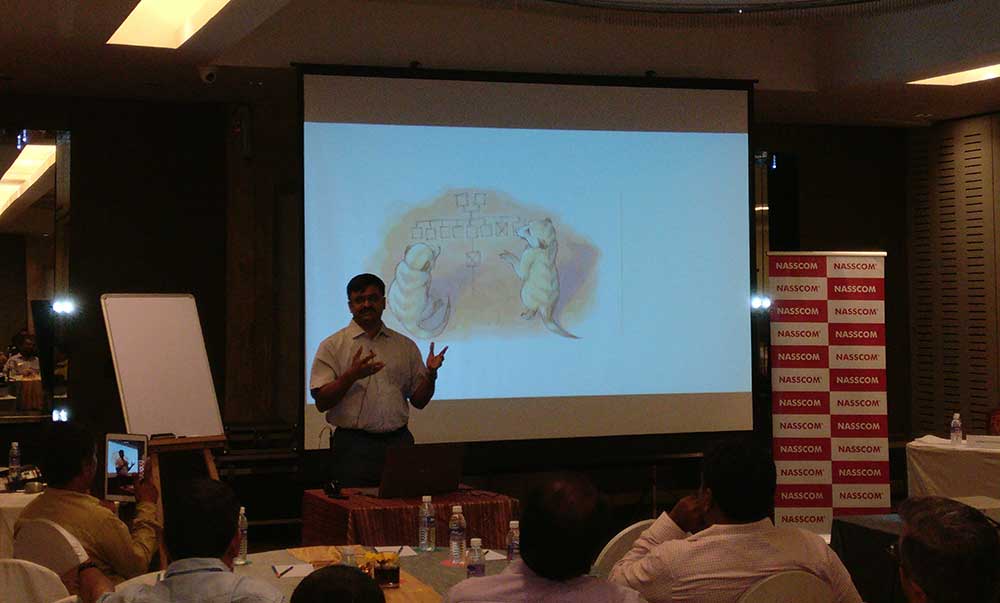
In this context, I look back on a workshop I conducted a few years ago for the members of NASSCOM, India’s premium association of software exporting firms. I started that program with a quote by Ernest Hemingway in The Sun Also Rises that is relevant for anyone in any business, especially for those in the services industry: “How did you go bankrupt?, Two ways. Gradually, then suddenly”. After that shock, I assured them that change was not new to the Indian IT outsourcing industry. It has revived itself several times – a seminal book to read on this subject will “ The Outsourcer – The Story of India`s IT Revolution (History of Computing)” written by Mr Dinesh C. Sharma. When it comes to ever changing world of underlying technology in our industry, it will do good to remember this quote from Nelson Jackson “I do not believe you can do today’s job with yesterday’s methods and be in business tomorrow.”. Think about it, you cannot be expecting to be a leader in using Artificial Intelligence like Generative AI and still charge your customers on a Time and Material model or for baseline maintenance.
In 2023, I acknowledge that there are strong headwinds that threaten the way the IT Services business works – including increased cost of reskilling the employees, lower margins, changing customer expectations, newer business models, political uncertainties, digital natives joining the workforce and many more. How can a small and medium-sized company operate and thrive in this environment?. The following seven sections can guide these companies to find their way and gain scale.
1. Funding
Over the last few years, startups in India who are into consumer apps space have seen their valuation skyrocket and investors pouring down money. We have seen many unicorns being created every year. Founders of IT outsourcing firms need to remember that their industry operates differently to this. Consumer (App) businesses are built for scale and investors too value them accordingly, whereas IT services is a mature industry and have almost become a lifestyle business. Gone are the days of 20-30% YoY growth. Today, a well run ‘niche’ IT services firm can expect to grow only in upper single digits (say 8-9%) YoY, with a profit margin only in the range of lower double digits (10-15%). There will be little to no interest in these businesses from an Angel or a VC – so don’t waste your time in courting them. This business just doesn’t work for their model. This is the reason why many of the smarter players in the space have moved or invested in Software-As-A-Service (SaaS) models.
“Startups are, by nature, a risky business – this is a feature and not a bug.”
Instead, you need to be bootstrapped, self-funded, or go after HNI (High Networth Individual) investors – there are quite a lot of industry veterans who are deep-pocketed and want to give back, or, be open for the M & A route – larger IT firms are keen at acquihire to quickly ramp their teams with focussed or specialised skills. Any funding exercise is not going to be an easy one. It is emotionally and physically draining, be open for it. For every successful round of funding, the founders go through multiple rounds of rejections, failures and disappointments. In my own experiences in one of my businesses I have had three unsuccessful negotiations before I was able to close the deal.
Dr Thillai Rajan of IIT Madras in presenting the 10th edition of the report on the startup ecosystem says in the period from 2000 to 2017, an eighteen year period, there were 1.26 Million companies that were registered in India. Out of which the potential for VC funding was for about 275,000 companies, out of which those who actually got funded was: 6,214 and those who got an exit was: 1,624. For 2023, it is expected about 1,000 companies will get funded and several thousands who will not get funded.
2. Pricing
More than ever, in 2023, the IT Services is a commodity business where either you keep growing, optimizing, cutting costs or be a super specialist to charge a premium.
Unlike, in the past business cycles, this time around, the quantum of ask from customers has not increased incrementally, but exponentially. They want their outsourced vendor to provide them with 10 times more features at 10 times lesser price – and a delivery time of weeks, not months. These are not unfair asks, as the productivity of service providers in recent years has improved phenomenally and going to improve exponentially due to newer platforms and tools including generative AI, Automation and easy availability of mature opensource toolchains and practises.
If you are NOT going to (or able to) meet these demands from your clients, you can be sure your competition will do it – and they will be doing it for a profit. One good thing for the industry has been the Rupee to Dollar exchange rates, which have been favourable for exports and is expected to remain the same, due to the American economy remaining strong with lowest rates of unemployment there.
3. Business Models
Today’s contracts expect the IT service player to be a “true” business enabler and not merely a system integrator. You can’t be scouting to do custom software development from scratch, those are going to be fewer and farther.
For existing vendors to transition from their FTE (Full-Time Employee equivalent) and T & M (Time and Material) model of pricing to the newer world of outcome-based pricing is going to be tough – there are no manuals available for doing this. All the stakeholders are feeling their way through.
The industry is seeing more of pilot projects, department-scoped projects happening, which are by nature smaller and shorter duration. The good news is that more of these are being created and as Rishad Premji (Chairman, Nasscom) has said: “Digital spend is industrializing a little bit, moving from pilots and PoC (proof of concepts) to big spends.”. With every company spending on projects involving AI, more pilots will be happening and good portion of them will get converted to production projects. Over time, many of the decades old business software will be transformed due to AI and will require reimagining and redevelopment, but the contracts are going to be coming with newer pricing models as well.
As applications are moving to the cloud, containers, and to SaaS platforms, the need for typical 24 x 7 support and baseline maintenance is quickly vanishing. For example, an application running on a cloud platform will require only a fraction of engineers for its support and enhancements. AI tools are going to drastically decrease even these numbers. It will be wiser to invest on building your own specialised tools here. In the case of digital transformation contracts (which are growing now), customers want to pay for the business outcome and not for the project completion.
“The snake that cannot shed its skin must die”, Friedrich Nietzsche
A relevant book in this regard will be the “Digital to the Core: Remastering Leadership for Your Industry” by Gartner, containing lots of successful case studies across industries.
4. Talent
Earlier, the IT industry was dependent on hiring fresh engineers in droves and a limited number of experienced engineers. Today, you need more experienced engineers, especially those who are familiar with newer technologies like AI, Automation, & Analytics – and hiring them is going to be inherently expensive. So, you need to be super smart on your employee mix and keep improving productivity.
You also need to look beyond engineering graduates. For example, for implementing a typical AI or Data Analytic projects, you require a team with cross-domain skills. That’s why you are seeing CTS, Infosys and others hiring usability experts, behavioural scientists, statisticians, economists and so on.
Even “fresh” engineering graduates are becoming expensive, though in the last few quarters the attrition has come down dramatically it is only going to be short lived as it is a correction to fix the pandemic rush. Product companies and startup today are offering entry level salaries of US$21,000 to $42,000 compared to the low salaries of US$6,000 to $10,000 that are being offered at services companies.
The above talents are not going to be available only from the metro cities of India like Bengaluru, Hyderabad, Delhi, Pune or Chennai. You need to look beyond the top cities. Even if you are a small firm you need to hire talent wherever they are available, which means your culture, collaboration process and toolsets have to be welcoming and have little friction. Work from home may be getting reversed in many firms, but remote working is here to stay. A great book on building a suitable culture for remote workers will be “The year without pants” written by Mr Scott Berkun, a former Microsoft manager, on his experience of working in the company behind WordPress that pioneered remote working more than a decade before it got the imagination of the software industry.
To learn on hiring and retaining talent, check on a talk by Mr Mahesh Murthy on “Managing today’s employees – Reinventing HR for the new enterprise” where he says “The true HR of a company is the CEO; I want to hire people who can have significant way with ambiguity”.
5. Marketing
Gone are the days, when you could be a Microsoft or a Google Partner or an AWS Partner, and if you are good on what you did, you could expect referrals from the principals or sub-contracted work from the biggies. Today, there are thousands and thousands of IT Services firms in India. Competition is coming from Vietnam, Philippines, Ukraine and Eastern European countries too. Vanilla cold calls have become almost useless. Google Ads, and Linked Ads are now yielding a lower and lower number of leads.
So your costs are increasing, which means you need to be innovative in your marketing and branding, to stand out from the crowd. To do that, get your marketing message/kit made as professional and as clear as possible. Spend “good” money on this, no shortcuts here. Potential clients have no time or energy to look at a shabby email. Be clear whether you are selling a product, a SaaS subscription or a custom development service. Be warned, “we will do anyway you want” is not an offering, no potential customer is searching for that in Google.
If your business plan or strategy reads something like below, stop and watch the brilliant talk by Simon Wardley on “Crossing the river by feeling the stones”:
Our strategy is cloud based. We will lead a collaborative effort of the market through our use of digital business and social media to build a growth. By being both agile and sustainable, our networked approach will drive learning organization throughout the organization. Synergies between our artificial intelligence and virtual reality will enable us to capture the upside by becoming innovative in an open world. These transformations combined with blockchain due to our data leaders will create a revolution through big data and leaders.
Instead of these non-sensical strategies, write something that is direct and short. Your marketing message should clearly answer the questions – what you are selling, how you are charging for it, what does it include and exclude, why should he/she buy from you and not ABC, and, finally, the most important item, address the issue of what’s in it for the reader?
Ms Jessie Paul, a marketing expert and author is passionate about simplicity in marketing. She says in India our businesses complicate on the options presented to their customers. They should make is short easy and less complicated. She advises the audience to come up individually with the following superlatives for their business:
I’m the best at —
I’m the only —
I’m the biggest — and so —
I’m the cheapest — because —
If you are on a tight budget for marketing (who is not?) then grab a copy of this book “Devil Does Care” by my friend Mr Pravin Shekar, on the secrets of doing Outlier marketing with a frugal budget.
6. Geography
When picking up a market, start with only one geography. As an SME you will not have the money for targeting say the USA, Singapore, Germany and India. Remember though the USA as a market is still attractive, but it is NOT one geography from a marketing perspective. Marketing to the USA is the most expensive, compared to many other markets for a company from India.
“Without geography you’re nowhere”, Jimmy Buffett
7. Statutory
Over the last decade, Governments around the world, especially Government of India has become strict on taxes and company law compliances – with the good intention of going after fraudulent and shell companies which finance the bad guys. But these have increased the cost of doing business.
I am aware that most of the founders, especially those with non-accounting backgrounds, tend to delegate all aspects of finance, taxes and legal compliance to others. While delegation is fine, as the founder the buck stops with you, which means you need to have a solid foundation on the basics and what you need to monitor, measure and ensure gets done regularly.
Remember, for every other country that you have a branch or a subsidiary, the compliances grow exponentially – even in the USA or Singapore, the compliance costs are increasing in recent years. You will do good by hiring a local expert in each of these countries even if it will cost you more than doing the filings yourself – also have a financial, a legal advisor in India who is well-aware on cross-border taxations and contracts. There are many small niche to help you with these.
Summary
The Indian IT services industry is at a crossroads, and companies that are able to adapt to the changing landscape and reinvent themselves will succeed in the future.
A few years ago, I was in Kochi, Kerala delivering a keynote talk titled “Unlocking Digital Transformation – Advancing Technologies” for a distinguished audience of Chief Information Officers from across the country.
For what is digital and what is digital transformation, I started with the definitions that I like: Pace of Change that’s occurring in today’s world driven by Rapid Adoption of Technology. It consists of four ideas that are commonly advocated: To remember Digital transformation is actually Business Transformation and not about implementation of a new technology platform, To leave your product-centric thinking behind, To focus on customer outcomes, and, To follow an outside-in perspective aka customer obsession.
In many companies which have grown around successful products, we will find that they do their strategy, planning, budgeting, accounting and hiring around the products. This structure has practical advantages, for example it optimizes the ability to bring specific products and features to market. But when looking from an outside-in perspective, this product-centric structure can be at odds with what the customer wants. In my own experiences as a customer, I have seen this many times. I have lost count on the number of times the same company has treated me like a new customer, even though I already own a few of their products, some of them released under the same brand. I am sure you would have had similar experiences.
I continued with an example of digital transformation done by Babolat of Lyon, France on their designing of Babolat Pure Drive PLAY tennis racket. They had designed an IoT based solution that fits inside a regular tennis racket and transmits in real-time data from multiple sensors on how each stroke is played. This gets analysed and reported for further study in a mobile app.
Then added my own example (fictitious) of how a food staples firm marketing Rice or Wheat can reinvent the core of their business. I explained on how in the future this firm may allow its customers to cook a bespoke meal based on what the AI algorithms have determined we should be eating at the moment based on the inputs from wearable sensors and our personal food likings. This may work like the 3D printing today or far in the future like the food synthesizers we have seen in the Star Trek TV show.
I walked through the three phases of every Digital Transformation journey:
Experimentation at the edge
Collision at the core
Reinvention at the root
I explained on how every successful Digital Transformation journey consists of: Thinking Big, To start small, and To scale fast.
Lastly, I provided the audience with four main questions that they can ask themselves before they start their own digital transformation journey:
What is the outcome that our customer desires? Is there more than one customer we need to satisfy?
How does the customer achieve that outcome today?
How can we (profitably) design a new experience for the customer
How do we design the technology to power the above?
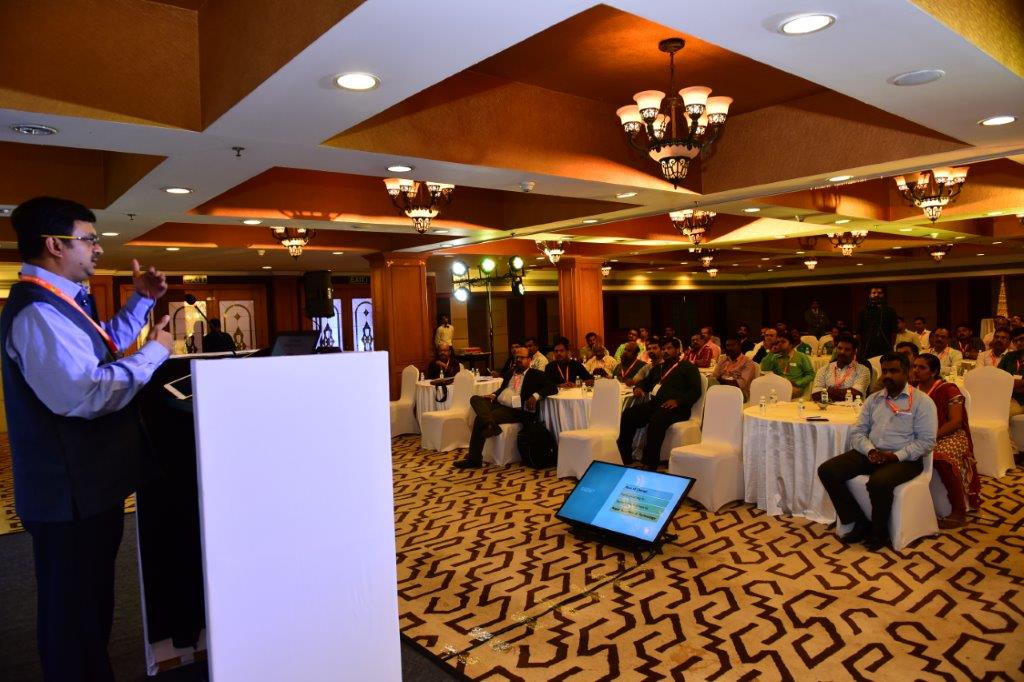
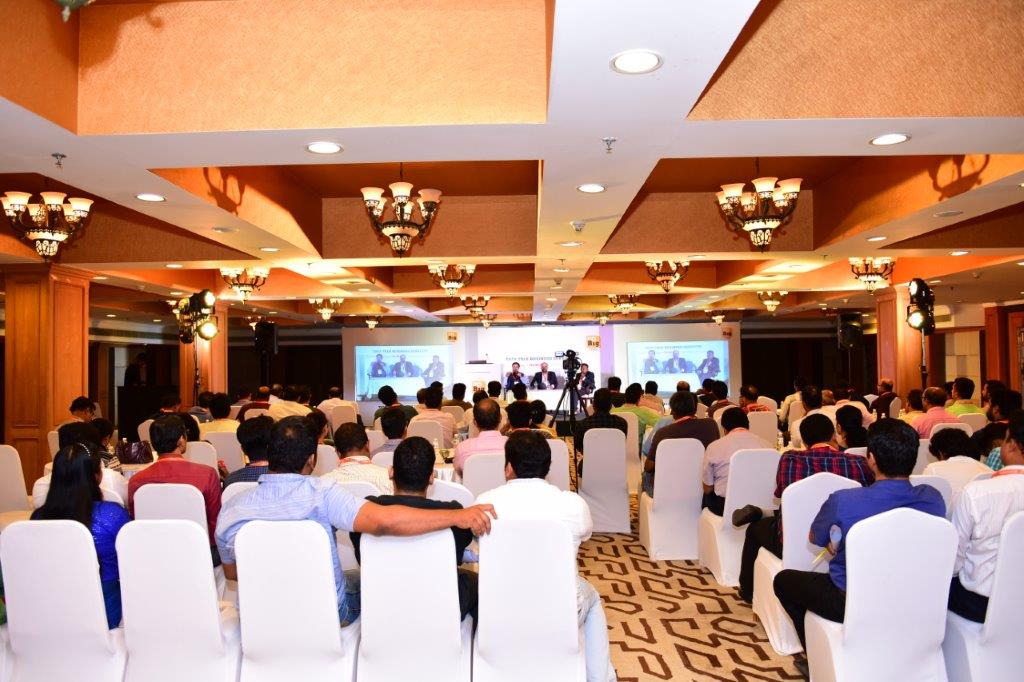
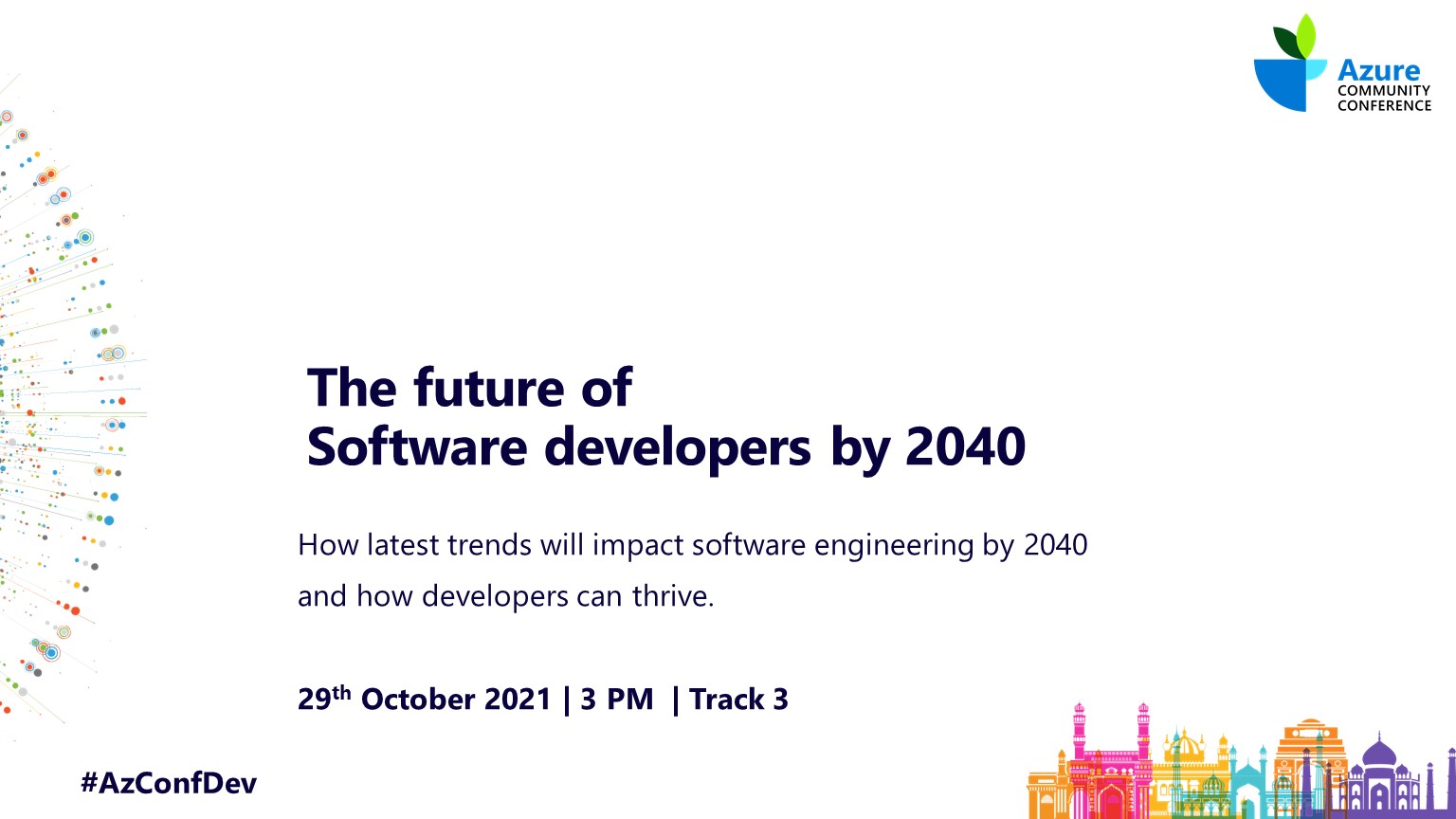
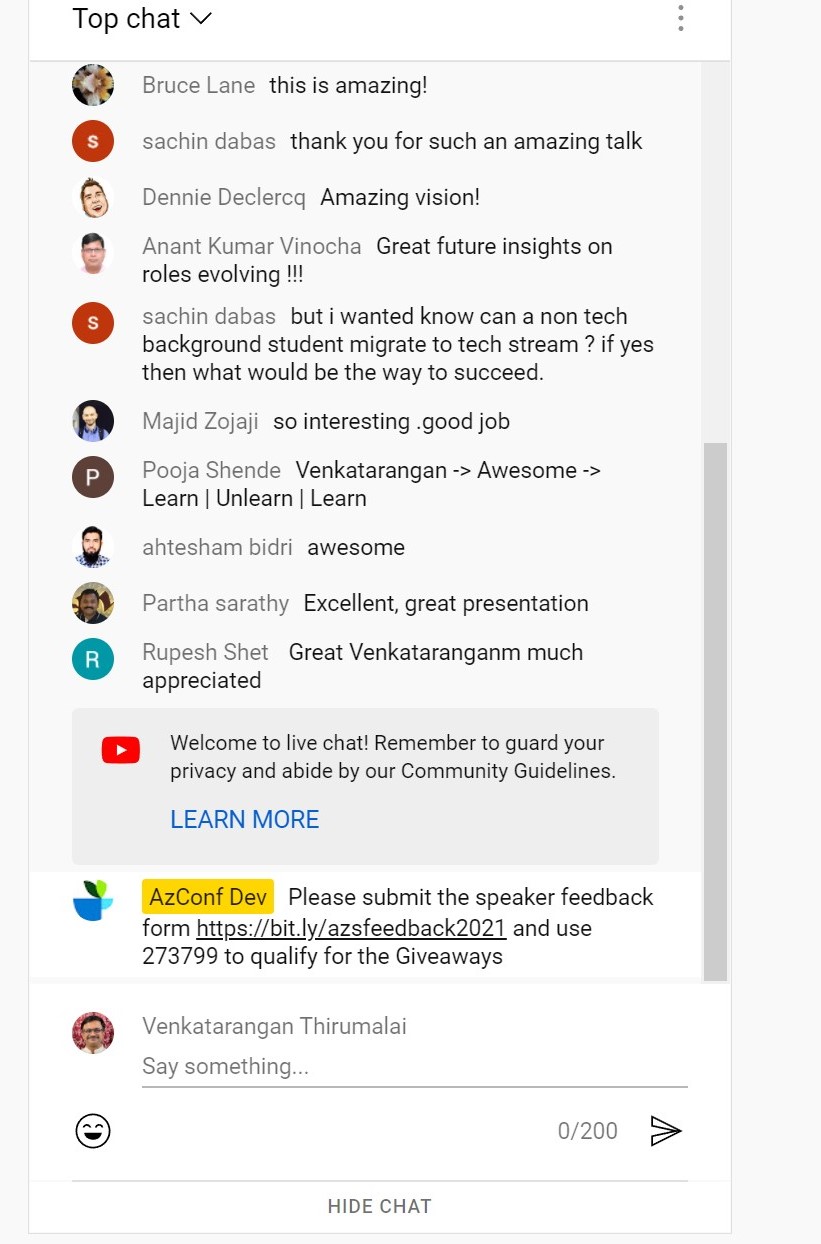
Two years ago, I delivered a keynote speech for Azure Community Conference on The Future for Software Developers by 2040. The talk feels relevant in 2023 due to the early signs of the trends we take for granted today with GenerativeAI and Large Language Models, were beginning to appear in that timeframe.
Predictions are always riskier, especially one for a fast-moving, exponentially growing field like AI. With that caveat away, I started my talk and begun to explore on how Artificial Intelligence (AI) and Automation will impact software engineering by 2040 and how developers can stay relevant. I didn’t plan to be a fortune-teller, nor the year 2040 is going to be a magical year, but the idea was to get the audience to think about the solutions for their today’s problem from a probable future mindset. This should help to broaden their exploration surface and to get them to think outside the box. Hopefully it may also make them develop solutions and products that will be on a solid footing yet nimble enough to change which is sure to happen a lot over the next two decades.
I presented on the following four key areas:
First, on the current job market, the short term immediate changes expected and the long-term trends.
Second, the changes that have happened during the pandemic months around the practice “Work from Home”, which has led to a boom for hiring of remote talent. In 2023, we have seen some of these being rolled back, but over the long term I believe they are here to stay and will continue.
Third, the technology trends that are underway with AI, Automation, Low-Code & No-Code platforms. For example, Open AI Codex platform that generates codes and code-patterns will dramatically improve developer productivity, and I followed it with a demo of GitHub CoPilot which was in Beta at the time of the talk. With Generative AI improvements in 2023 we are seeing on how software will get developed and tested. In the talk I showed the early signs of them – on the way software can be tested and deployed, with Functionize, Code Defect from Microsoft, URL2Video from Google, CodeBert from Microsoft Research and so on. In the future, I see almost the entire software testing and deployment will be beyond the capabilities of humans and will be handled entirely by computers. The impact of Quantum computing will be complimentary and in specialised fields, but it will definitely bring huge benefits to cryptography and other related fields.
Fourth, I explained on how software developers and software engineers can stay relevant for the next two decades. I propose CO.L.A. which is about continuous learning (and unlearning) and appreciating that technology will compliment human faculties and not as a threat to their jobs.
I explained the scary, the good that is likely to come and how to stay relevant.
By 2040 – The Scary
None of the roles in software industry we are having in 2020s will be there in 2040
Current software services model of Time & Material (T & M), or the Baseline maintenance model, will be history
The default choice of software development will be no-code (or generated by AI as we have seen in 2023)
The entire testing and deployment of software will be orchestrated, handled and managed by machines
By 2040 – The Good
Creative Self-Starters and generalists who can leverage the AI systems will do extremely well. No more linear career growth will exist in most industries, Lattice Career Progression will be the norm
New roles around communication will be appearing
Quantum Computing engineers will be in demand
Every job role will be a software engineering role
Developers can stay relevant for the future by:
Leaving your current baggage
Be open for continuous learning
Improving their interpersonal skills & communication
Be Curious & be informed
Leave the tactics, syntax and programming language knowledge to the machines, you focus on the strategy, the big picture and the domain expertise.
Let us remember to “let machines be machines, and let humans be human”.