

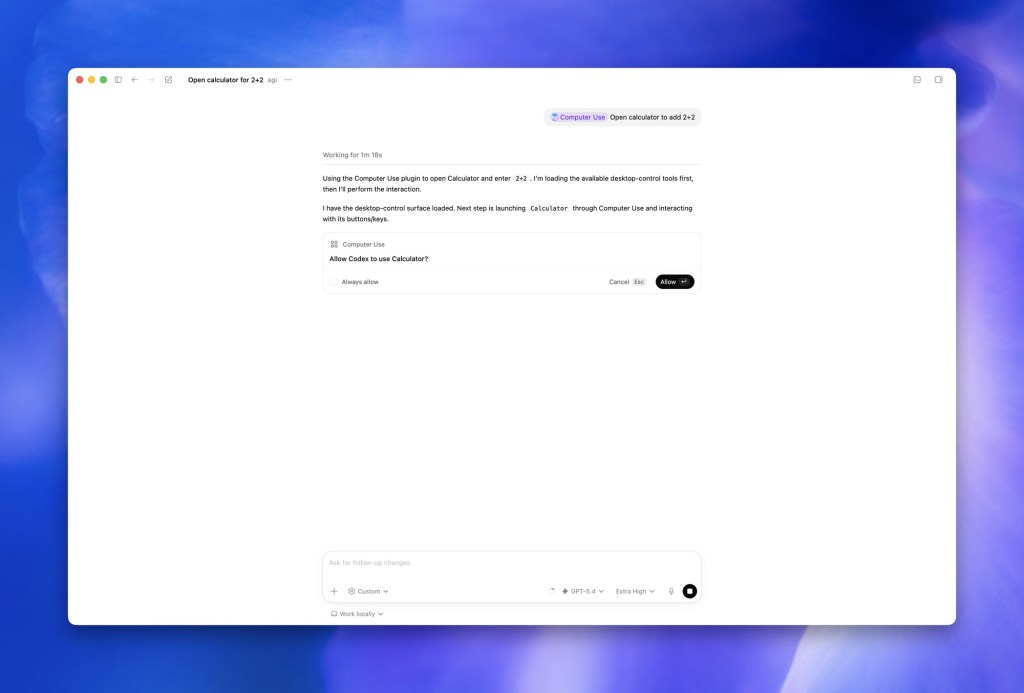
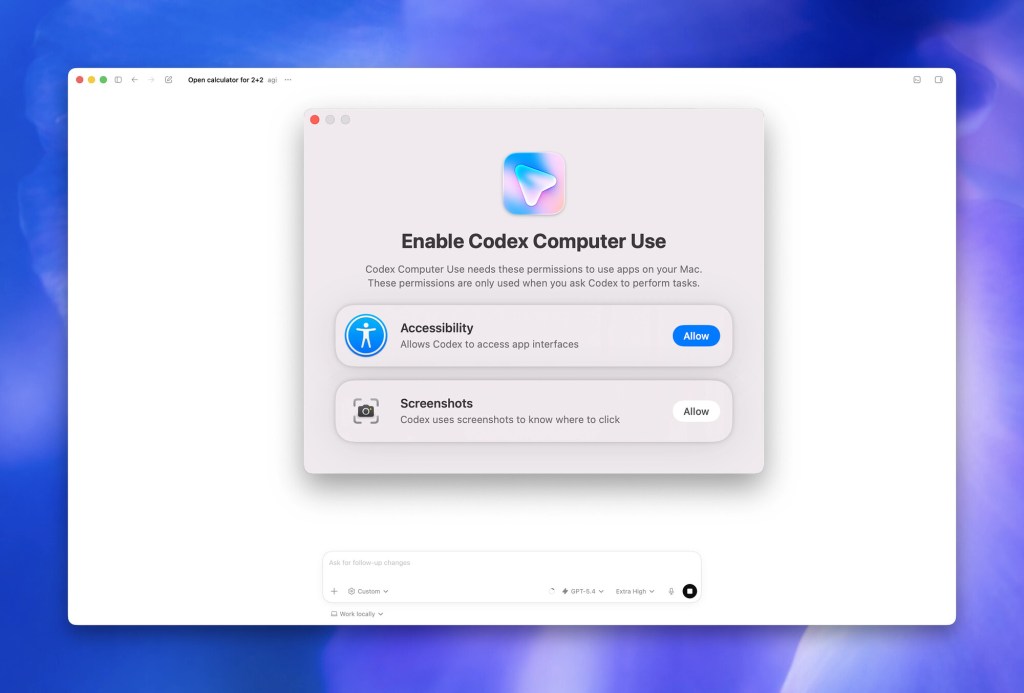
OpenAI just added “Computer Use in Codex”. It can now see your screen, move a cursor, click, and type across any Mac app — multiple agents running in parallel while you work.
That’s genuinely impressive. Anthropic’s Cowork does something similar.
And the companies that own your screen, your apps, and your enterprise software will decide what that’s worth to you.
But here’s what I keep thinking about.
This capability depends on macOS letting third-party apps observe your screen and control other apps. Apple has a long history of deciding what gets that kind of access — and restricting it, charging for it, or bundling it into higher-tier subscriptions when it becomes valuable enough. The industry tends to follow Apple’s lead on these things.
On mobile, I’d be surprised if Google and Apple don’t eventually make this a feature you pay for through their own AI subscriptions, with third-party agents locked out entirely. Enterprise software vendors — SAP, Salesforce, ServiceNow — are watching this closely too. Every one of them has an AI agent story, and every one of them has an incentive to be the only agent that sees inside their platform.
And then there’s the end user. Two years ago, when Microsoft introduced Windows Recall — which took continuous screenshots of everything on your PC — the backlash was immediate and fierce. People were not ready for an AI that watches everything. That tension hasn’t gone away. It’s just been repackaged as productivity.
We’ve seen this before. Google Maps was free until millions of apps depended on it — then came the pricing change. Installing apps on a device you own was an open opportunity until App Stores made it a 30% toll booth. The pattern isn’t new: platforms let ecosystems flourish on open access, then monetise the chokepoint once the dependency is deep enough.
AI agents are heading into the same territory. The question isn’t whether platform owners will act. It’s whether industry bodies build interoperability standards fast enough, and regulators move before the walls are too high — or whether we end up with a dozen AI agents, each locked inside its owner’s fence.
The pattern always ends the same way. What’s your read?
Leave a Reply